What is
pityriasis versicolor?


What is pityriasis versicolor?

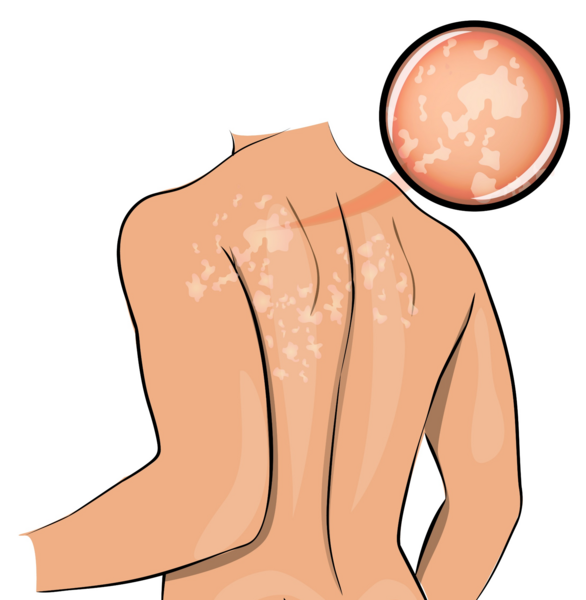
Pityriasis versicolor, also known as white spots, is a common skin condition with higher prevalence of up to 50% in tropical climates1.

Signs & Symptoms

Similar to dandruff and seborrheic dermatitis, the root cause of pityriasis versicolor is the fungus Malassezia spp.1

Pityriasis versicolor can appear as light or dark patches, with accompanied scaling1. Typically, it affects the chest, upper back and shoulders2.

The light or dark skin patches may take weeks to months to clear even if the fungal condition has been controlled1.

Nizoral®: your head-to-body anti-fungal care

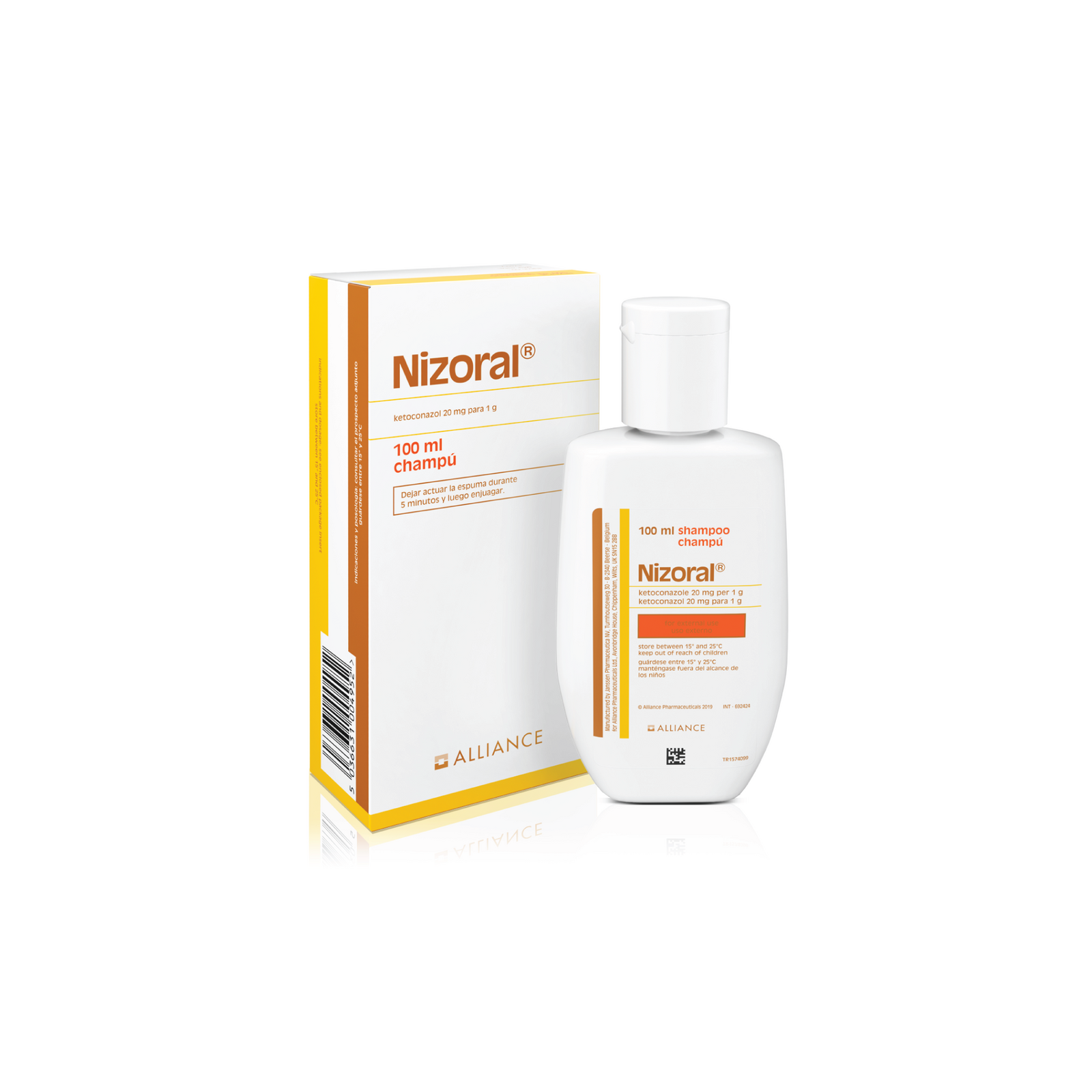
Nizoral® Shampoo’s ketoconazole is clinically proven to help target the root cause of not just dandruff & seborrheic dermatitis, but also pityriasis versicolor – not just great for the scalp, also great for the body1,4,5,6,8!

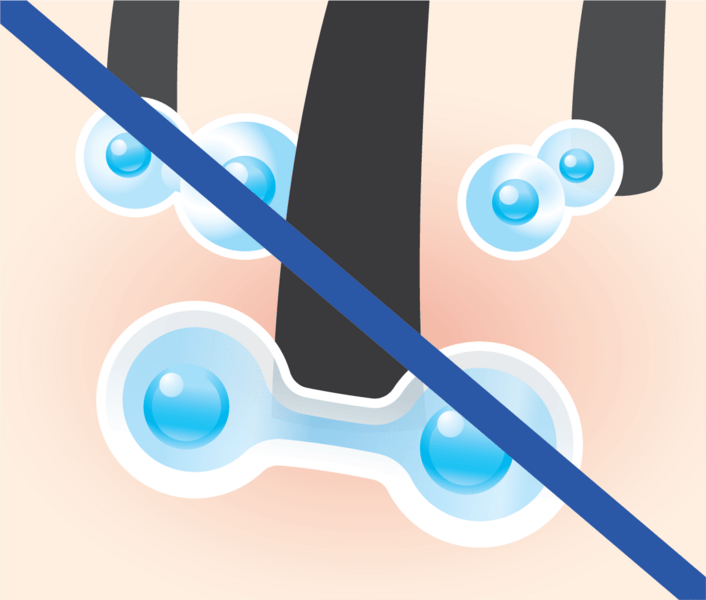
Nizoral® Shampoo’s ketoconazole fights the root cause of pityriasis versicolor by disrupting the cell membrane function of fungus Malassezia spp, helping to eliminate overgrowth of Malassezia spp.1,4.

Why Nizoral® Shampoo?
(2% ketoconazole)

2% ketoconazole shampoo was one of the few treatments to be given the highest strength of recommendation by the Danish Society of Dermatology for pityriasis versicolor3.

Contains 2% ketoconazole
– Broad spectrum anti-fungal4
– Relieves redness, scaling and itching6,7

Ketoconazole is the most common topical treatment used to treat pityriasis versicolor1

Ketoconazole is the most extensively studied treatment approach3

2 in 3 users of 2% ketoconazole shampoo have their pityriasis versicolor cleared with a single use#7

How to use Nizoral® Shampoo?

To control your pityriasis versicolor, one only needs to use Nizoral® Shampoo
once for 1 – 3 days+

Apply Nizoral® Shampoo to affected areas

Leave Nizoral® Shampoo on the affected area for 3-5 minutes

Rinse thoroughly with water

Start taking control of your pityriasis versicolor with Nizoral® Shampoo

+Please refer to the local product label for the most accurate usage instructions
#Malassezia furfur

Can't find what you're looking for?

Visit our Frequently Asked Questions page to find
the answer to your question.

REFERENCES

  1. Karray M, McKinney WP. Tinea Versicolor. StatPearls Publishing 2020. https://www.ncbi.nlm.nih.gov/books/NBK482500/ (Accessed 14 April 2021).
  2. Varada S, Dabade T, Loo DS. Uncommon Presentations of Tinea Versicolor. Dermatology Practical and Conceptual 2014; 4(3): 93-6.
  3. Hald M, Arendrup MC, Svejgaard EL, Lindskov R, Foged EK, Saunte DML, et al. Evidence-based Danish Guidelines for the Treatment of Malassezia-related Skin Diseases. Acta Derm Venereol. 2015;95(1):12-9.
  4. Ranganathan S, Mukhopadhyay T. Dandruff: The Most Commercially Exploited Skin Disease. Indian J Dermatol. 2010; 55(2): 130–4.
  5. Naldi L. Seborrhoeic Dermatitis. BMJ Clin Evid. 2010;1713.
  6. Gupta AK, Foley KA . Antifungal Treatment for Pityriasis Versicolor. Journal of Fungi 2015; 1(1): 13-29.
  7. Lange DS, Richards HM, Guarnieri J, Humeniuk JM, Savin RC, Reyes BA, et al. Ketoconazole 2% Shampoo in The Treatment of Tinea Versicolor: a Multicenter, Randomized, Double-Blind, Placebo-Controlled Trial. Journal of The American Academy of Dermatology 1998; 39(6): 944-50.
  8. Borda LJ, Wikramanayake TC. Seborrheic Dermatitis And Dandruff: A Comprehensive Review. Journal Of Clinical And Investigative Dermatology. 2015;3(2):10.13188/2373-1044.1000019.

Image Credits: Photos of models purchased from Shutterstock, Inc. Signed model release on file with Shutterstock, Inc.
*Image used is for illustration purposes only.